That morning ache in the hip—the one that makes you roll out of bed with a stiff groan—isn’t just age. For stomach sleepers, it’s often a mattress that’s given up. In a typical HDB master bedroom, that Queen bed you’ve had for years starts to sag in the middle, a soft valley forming right where your hips sink in. Your pelvis tilts forward, your spine twists to compensate, and by dawn, that misalignment is pinching the sciatic nerve. The result isn’t a general soreness; it’s a sharp, specific pain that travels from the lower back down the leg, a clear sign the support structure has failed.
The search for relief starts with firmness, but not just any firmness. A true orthopaedic mattress is engineered for structured support, designed to keep your spine in a neutral line even when you’re face-down. That means high-density foam or firm, individually pocketed springs that won’t let your hips dip. For stomach sleepers, a medium-firm mattress often isn’t enough—you’re looking at firm-to-extra-firm constructions. The goal is to prevent that pelvic drop altogether, which takes the pressure off the nerves running through your lower back and hips.
Now, a Queen-sized orthopaedic mattress in a 4-room BTO master bedroom can feel like a serious piece of furniture. It won’t have that plush, sinking-in feeling. Some will find it too hard at first, their body accustomed to the cradle of a worn-out bed. But that initial firmness is the point—it’s providing the resistance your muscles and joints aren’t getting anymore. The only time you might reconsider is if there are existing pressure points on the shoulders or knees from other conditions; in that case, a hybrid with a slight comfort layer on top could be a compromise. For pure hip and sciatic relief from stomach sleeping, though, the firmer foundation wins.
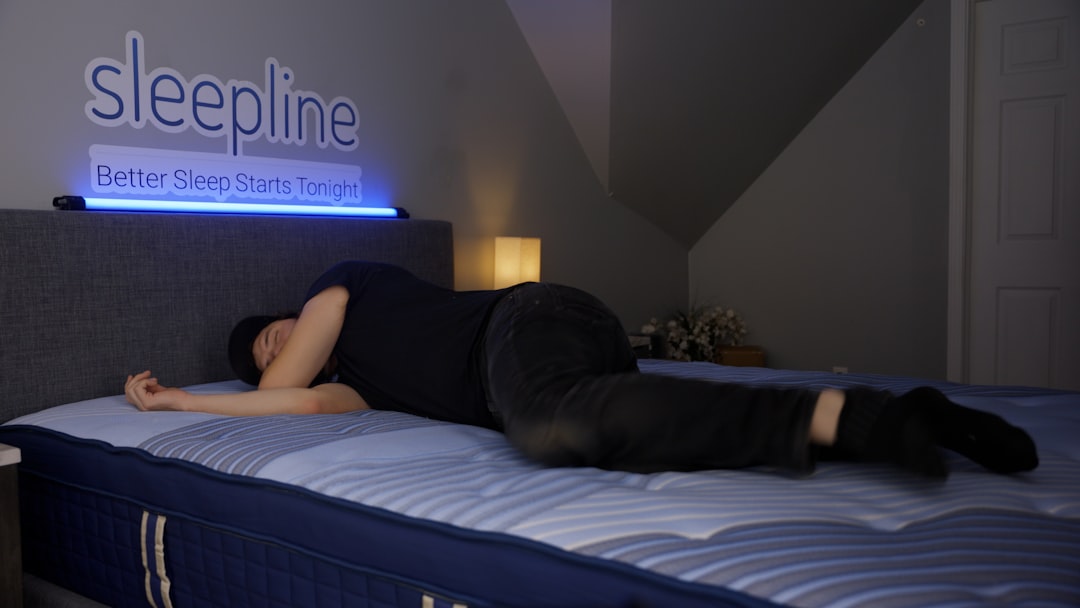
When testing, don’t just sit on the edge. Lie down in your actual sleeping position for a good ten minutes. You’re checking for that critical hip support—if your pelvis stays level with your shoulders, you’re on the right track. Humidity can soften some foams over time, so look for materials known for durability. How to break the stomach sleeping habit: alternative sleep positions . A mattress that holds its shape against that nightly pressure is what finally breaks the cycle of waking up in pain.
Think of a spine with osteoporosis as a piece of old, dry chalk. Press it gently on a flat surface and it’s fine. But put pressure on the middle while it's arched? That’s when you risk a snap. For stomach sleepers, especially our elderly parents, that’s the nightly risk—the unnatural arch of the lower spine under body weight, pressing down on vertebrae that have lost their density. A soft mattress that lets the torso sink deep only increases that pressure, turning a simple sleep position into a genuine hazard for compression fractures.
That’s why the firmness level isn’t about comfort preference; it’s about structural necessity. An orthopaedic mattress built for this provides a uniform, resisting surface. Its high-density foam core doesn’t give way under the hips and chest, which prevents the spine from dipping into a dangerous curve. The support is even, from shoulders to pelvis, so the vertebral column stays as neutral as possible. You’re looking for a mattress that offers push-back, not a plush hug.
Some will say it feels too hard at first—that’s the point. The body accustomed to sinking might protest, but for compromised bone density, that firm foundation is what distributes weight safely. The only time you might consider a slight step down is if the sleeper has very pronounced joint pain in the shoulders or hips, and even then, you’d look for a firm core with only a whisper of a comfort layer on top. Anything more and you’re trading one problem for another.
In our humid climate, the material integrity matters just as much. A high-density foam that’s properly made retains its shape and support for years, resisting the sag that turns a supportive surface into a hazardous dip. Don’t compromise on this core. For an ageing parent who sleeps on their stomach, that extra firmness isn’t a luxury—it’s the non-negotiable barrier between a restful night and a trip to the A&E.
A firm mattress is great for the spine, but it can feel like sleeping on a plank for sore shoulders and knees. That's where a thin comfort layer comes in—it's not about plushness, but about distributing pressure away from the bony points. Think of it as a precision tool, not a cushion. A two-centimetre layer of responsive foam or latex will contour just enough to prevent those sharp pressure points from flaring up overnight. It's the difference between a rigid surface and one that gives a subtle, forgiving hug. This thin buffer is crucial for stomach sleepers whose hips might otherwise dig in.
That comfort layer can't do its job floating on a soft base. You need the unwavering support of a firm pocketed spring system underneath. These individual springs act like a grid, pushing back precisely where the body's weight is heaviest—the centre. They keep the spine in a neutral line, which is non-negotiable for stomach sleepers. A soft base would let the hips sink and the back arch, defeating the whole purpose. The firm foundation is the anchor that makes the slight top-layer compromise safe and effective.
In a typical 12 sqm common bedroom, every centimetre counts. A bulky, multi-layered mattress can overwhelm the space, making movement difficult for older adults. The beauty of this firm-base-plus-thin-top design is its streamlined profile. It doesn't need excessive height to function, which is a bonus for lower bed frames that are easier to get in and out of. You're solving the pressure problem without creating a spatial one. The mattress stays practical for the room's actual dimensions.
For side-sleeping parents who end up on their stomachs, arthritic shoulders take a brutal hit on a purely firm surface. The thin comfort layer here is specifically for that joint. It allows the shoulder to nestle slightly, reducing the torque and compression on the joint capsule. This micro-adjustment can prevent that familiar morning stiffness and ache. It's a targeted relief that doesn't sacrifice overall spinal alignment. Without it, the shoulder might protest loudly by dawn.
Stomach sleeping often means one knee is bent, which presses the kneecap hard into the mattress. Arthritis makes that pressure point a real problem area. A firm pocketed spring base provides stable support for the leg, preventing the knee from twisting awkwardly. Meanwhile, that slim comfort layer on top offers just enough give to prevent bruising discomfort on the patella. It's a balance that acknowledges the need for a firm sleeping posture while respecting a vulnerable joint. Get this wrong, and the knee will be the first to complain.
The biggest regret you’ll hear in a 4-room BTO master bedroom isn't about the colour scheme—it's the medium-firm mattress that felt like a cloud in the showroom but left a dull ache in the lower back after six months. That initial plushness is a seductive trap, convincing you you've found comfort when what you've actually chosen is a surface that lets your spine sag out of alignment overnight. For stomach sleepers especially, that sink-in feeling is the enemy; your hips dip too deep, forcing your lumbar spine into an unnatural arch. The result isn't immediate, but by the third month, you're waking up stiff, wondering why the 'comfortable' bed is making things worse.
So you must ignore the initial hand-test. Lying down for five minutes in a showroom tells you nothing about how that mattress will perform over eight hours, night after night. The only real test is to spend at least fifteen minutes in your actual sleeping position. For stomach sleepers, that means lying flat, noticing if there's any tension in the lower back, and checking if you need to subtly arch or strain to breathe comfortably. If the surface feels unyielding at first, that's often the point—your body needs time to relax *into* proper support, not onto a soft top that gives way immediately.
Pressure mapping tells a different story from your subjective feel. A proper orthopaedic mattress doesn't cradle you in softness—it provides a structured, even plane of support that keeps your spine in a neutral line from shoulders to hips. Think of it like a good posture-correcting chair: it's not meant to feel like a beanbag. The high-density foams and firm pocketed springs in these constructions are engineered to resist collapse precisely where your body weight concentrates, which for a stomach sleeper is the torso and pelvis. In a typical 152 by 190cm Queen, that consistent support across the entire sleeping surface is non-negotiable.
There's exactly one exception to this firmness rule: if the sleeper has very prominent pressure points, like from severe arthritis in the shoulders or hips. In that specific case, a firm core with a thinner comfort layer on top can offer a compromise, but the foundational support must remain uncompromising. For nearly everyone else, especially those buying for ageing parents or dealing with chronic pain, chasing that plush sensation is a costly detour. True comfort comes from waking up without pain, not from sinking into a mattress that fails you by dawn.

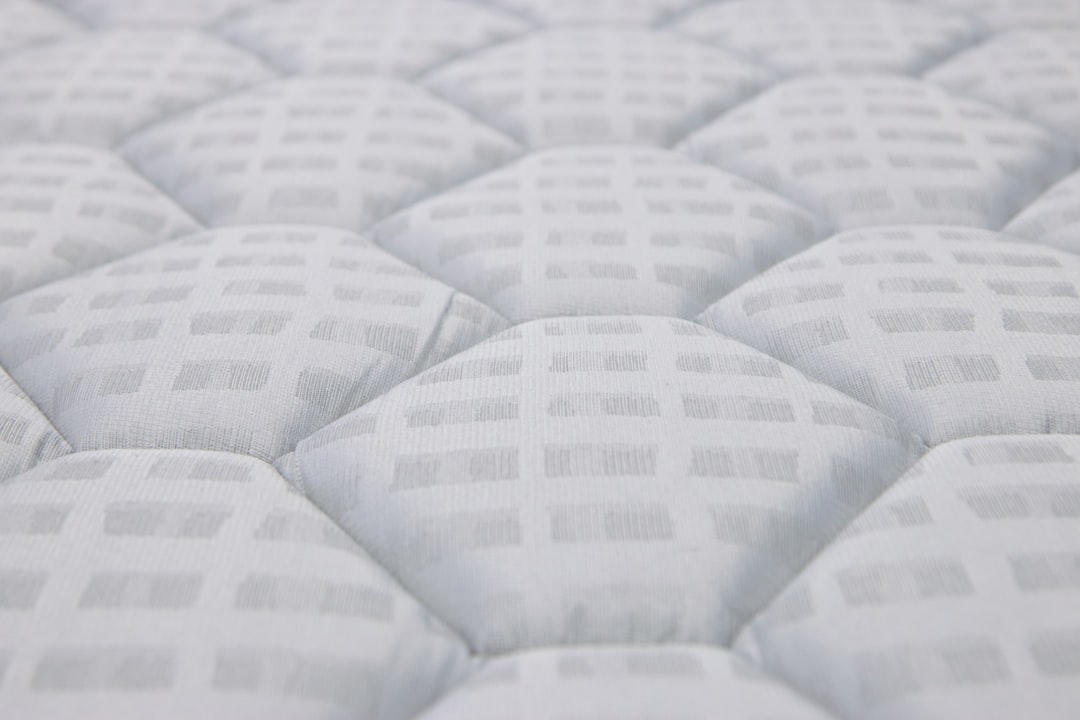
Singapore’s humidity doesn’t just make you sweat—it slowly eats away at a mattress core. In a non-air-conditioned room, that 80% dampness in the air can turn a supportive foam into a sagging, misshapen slab in a few years. For stomach sleepers needing a firm, orthopaedic base, that’s a direct threat to spinal alignment. The material at the heart of the bed must fight moisture as hard as it supports weight.
Ventilated natural latex has its champions, and for good reason. Its open-cell structure breathes, allowing air to circulate and resist the stagnant damp that breeds mould. You get a resilient bounce that helps prevent that awful ‘sinking in’ feeling stomach sleepers must avoid. Over five years in a humid common bedroom, a quality latex layer will hold its shape better than a basic foam. But it’s not a perfect shield—latex can still absorb ambient moisture over time, which might subtly soften its initial firm push-back.
For absolute moisture resistance, high-density polyurethane foam is the steady choice. The best grades are engineered to be virtually inert, refusing to absorb humidity from the air. This means the firmness you buy on day one is the firmness you’ll still feel half a decade later, even without the air-con running all night. It provides that unyielding, structured support physiotherapists recommend for keeping the spine neutral in a prone position. The trade-off is a denser feel without latex’s natural airflow, though many modern versions incorporate cooling gel infusions or breathable covers to compensate.
So which one for your parents’ mattress? If maintaining a perfectly dry sleep environment is a priority—maybe the room gets good cross-ventilation or a dehumidifier runs regularly—the natural resilience and breathability of latex is excellent. But for the ultimate set-and-forget core in our climate, especially in a more enclosed space, high-density foam’s impervious nature wins. It’s the one that won’t start a slow surrender to the weather outside. Just ensure the mattress cover is removable for the occasional airing out—that’s a non-negotiable step for any material here.
The difference between a mattress that’s properly firm and one that’s just hard can only be felt with your own body weight. For someone who sleeps on their stomach, that’s not a luxury—it’s a necessity. Your hips are the heaviest part of your body in that position, and if they sink in too much, your lower back arches and the whole point of an orthopaedic mattress is defeated. You need to lie prone, not just sit on the edge, and feel how the surface responds under your pelvis.
That’s where a showroom like the one in Tampines becomes critical. They’ve got the full range of their Somnuz® line laid out, from firm to extra-firm grades. You can walk from one to the next, spend five minutes on each, and compare the subtle but crucial differences in support. It’s the only way to know if a mattress is engineered to keep the spine aligned for a stomach sleeper, or if it’s just a generic firm slab that will create pressure points.
The key test is simple. Lie down exactly as you would at home. Pay attention to whether your hips are sinking lower than your chest and shoulders—if they are, that mattress is too soft for you. The ideal one will feel supportive under your hips, preventing that sag, while still having enough give at the shoulders to avoid numbness. Don’t rush this; a proper assessment takes a good ten minutes per model.
You can’t get this from a website description or a friend’s recommendation. Your body’s weight distribution and any existing back concerns are unique. The Tampines or Joo Seng showrooms offer that hands-on chance to eliminate the guesswork. Go there with the specific intent to test for stomach sleeping, and you’ll leave knowing exactly which Somnuz® grade provides the structured support your back requires. Anything less is a gamble with your sleep and your posture.
You hear a lot about orthopaedic mattresses being the only choice for seniors with back pain, but for stomach sleepers, that extra firmness can be a double-edged sword. The posture itself puts pressure on the neck and spine, so the mattress needs to support without forcing the body into an unnatural arch.
Can an orthopaedic mattress actually help with sciatica for someone who sleeps on their stomach? It can, if it’s the right kind. Sciatica often flares up from pressure on the lower back, and a stomach sleeper’s hips sink deeper into the mattress. A firm orthopaedic mattress with a hybrid construction—high-density foam over firm pocketed springs—helps keep the pelvis level. That alignment reduces the strain on the sciatic nerve. A pure foam mattress, even a firm one, might let the hips sink too much, worsening the pinch.
Is a hybrid mattress better than pure foam for back pain in this case? Almost always. The pocketed springs in a hybrid provide that structured, responsive push-back where the body weight is concentrated—the chest and hips. Pure foam, even high-density, compresses uniformly; it doesn’t give that targeted lift stomach sleepers need to avoid a swayback curve. The one exception is if the sleeper has severe joint pain and needs zero movement transfer from a partner, then a premium, extra-firm foam might be the quieter choice.
How do you check mattress firmness without visiting a showroom? Look for the density numbers. For foam layers, a density over 80kg per cubic metre is considered high and indicates lasting firmness. For hybrids, ask about the spring gauge—a lower number means a thicker, firmer wire. Many retailers now offer extended trial periods with a return option, which is the real test. You can also place a heavy book on the centre of the mattress and see how deeply it sinks in photos; it’s a rough gauge, but it tells you something.
What mattress thickness is ideal for an ageing stomach sleeper? Thickness isn’t about luxury; it’s about support depth. A mattress around 25 to 30cm gives enough room for those firm support layers to work without feeling like you’re sleeping on a board. Anything thinner might not have adequate high-density foam to prevent early sagging, and anything much thicker often adds plush comfort layers that a stomach sleeper doesn’t need—they just push you into an awkward angle.
Before you tap that confirmation button, there’s a final, critical set of checks that’ll save you from a genuine headache. Your chosen orthopaedic mattress might be perfect, but if it physically can’t get into the room or support the sleeper’s weight, it’s a costly error. This isn’t about nitpicking—it’s about finalising a major purchase that directly impacts health and daily comfort.
Start with the room itself. A Queen mattress is 152cm wide, but you need to account for the bed frame’s full footprint. In a 3.5 by 3 metre HDB master bedroom, a frame with side tables can eat up every spare centimetre. Leave at least 60cm on the exit side for easy movement, especially for someone who might need assistance. More importantly, confirm the mattress can actually reach the room. A flexible mattress can bend into a lift, but a rigid, extra-firm hybrid with a thick comfort layer might not. Measure your lift door opening—often around 90cm wide—and your internal bedroom door. If the numbers are tight, you’ll want to know about potential staircase carrying surcharges before you commit.
Next, verify the weight capacity. An orthopaedic mattress is built for support, but its construction has limits. Check the manufacturer’s specifications against the user’s weight. For a stomach sleeper, pressure is concentrated on the midsection; a mattress that sags under that specific load defeats its entire purpose. This is non-negotiable—don’t assume all firm mattresses are created equal in this regard.
Finally, scrutinise the warranty with a focus on sagging. Many warranties cover manufacturing defects but exclude “normal wear and tear,” which is a vague term that can be used to dismiss early sagging at pressure points. You need a warranty that explicitly covers sagging beyond a certain depth—one or two inches is a common threshold—without labelling stomach-sleeper pressure as improper use. If the warranty wording is ambiguous, ask for clarification in writing. Only when these three boxes are ticked—clearance, capacity, and concrete warranty coverage—should you proceed with the deposit.
" width="100%" height="480">How to choose a mattress for ageing parents who sleep on their stomachs